Branding reflects your values, but it cannot create them

If you have ever hired a business consultant, you may have heard the following. "You really should think about rebranding". If this happens early on in the first meeting you should show that consultant the door.

Rebranding in isolation is the least effective and most expensive way to build or improve your business. Even worse, it provides the appearance of radical change while leaving all of your problems and issues untouched. If branding reflects your values then you need to concentrate on the values themselves.

The rebranding process can be expensive and addictive. Most people don't get involved in the design process that often. When they do, they discover that it is fun, for want of a better word. Clients can spend hours obsessing over details. Eventually some convince themselves that the right colour, or typeface or graphic idea, will transform their business. It won‘t.

Consultants love to tell stories about Apple. They love to tout Steve Jobs as a transformative figure in industry. A man who reinvented branding. Perhaps he did. But if so it had no effect on his company's success. Apple ploughed a precarious path as a niche computer supplier for most of its existence, either with Jobs at the helm or without him.

It was the only the emergence of the iPhone and the entire smartphone industry in 2007, that turned Apple into the corporate and cultural behemoth that it is today. The success of the iPhone and iPad had a knock-on effect whereby purchasing an Apple laptop became a similar cultural statement. It was the product line that drove the transformation, not the branding.

For all Apples marketing speak about thinking differently, they are still just a technology company, faced with the same research and logistics challenges as all of their competitors. For all their talk of brand values they are driven by profit and loss, just like every other corporation.

What is the opposite of an apple?
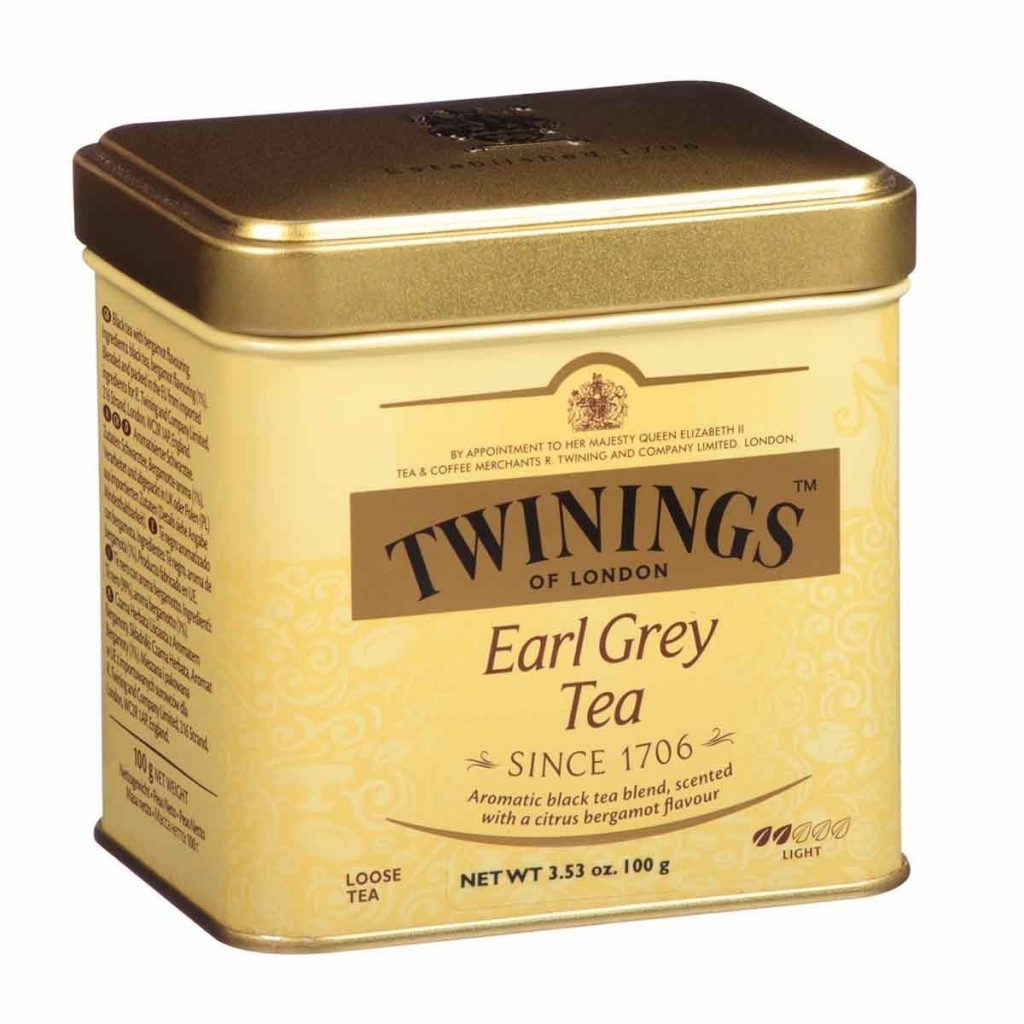
Twinings means great tea, no more and no less.

Rebranding is totally unnecessary if your products are good enough. The oldest unchanged logo in the world belongs to Twinings. Now Twinings are something of an expert on building things to last. After all they have been operating a tea room on the strand for over 300 years.

They created their logo in 1787 and it remains the same to this day. It remains the same, even in this era of planned obsolescence, where things are thrown out and replaced not because they are no longer useful, but they are no longer fashionable.

If you tried to sell a similar design to a client in 2020, they would laugh at you. It's typography includes an old fashioned serif typeface set on a shallow arc and presented in monochrome. This is most untrendy and has been for a long time. Despite this, it has never prevented a single teabag from being sold.

Twinings have no pressure to rebrand. Their product is good enough and well established enough for them to resist market pressures to change their logo.

They are not the only ones. BMW and Coca Cola have maintained their branding more or less unchanged for a century. Now you might throw your hands up in horror at the idea that Coca Cola is a quality product. However, the reality is that if you are looking for something fizzy and sugary with little or no nutritional value, then it's hard to think of anything better than Coke.
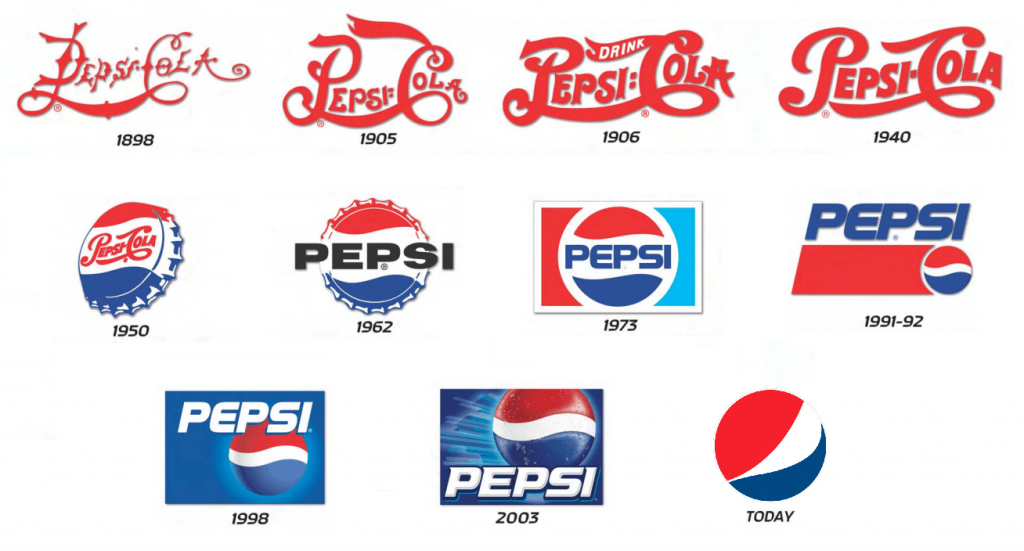
Pepsi is a classic case of creating a brand while ignoring the fact that branding reflects your values

In fact, it's Coca Cola's biggest competitor, Pepsi, who have struggled with the whole notion of branding over the years. They have twisted and turned and spent billions and have not gained any ground on their bigger rival as a result.

The lesson to learn from this is that branding is only ever representational of what you are delivering. No amount of typographical tweaking will improve your goods and services, and a bad graphic will not harm your sales as long as you delivering what your clients need.
Pubs in need of a website – Part 1: The Ship in Highley

I was approached by a friend of a client who had been let down by their web designer. She had two pubs along the Severn river, both of which needed websites.

The first of these pubs in need of a website was the Ship Inn in Highley. The Ship is both a pub and a hotel with several single, double and family sized rooms. Despite being a very old pub, the ship has a modern open feel to it so I wanted the design to reflect that.

A good website will not make a bad pub better. On the other hand, a good pub should not be let down by it's website. The Ship is a modern Inn with very traditional values. Good food, good service, and a warm and friendly ambience. That's not my opinion. The Ship's customers are very clear on the matter.

The signage for the pub used the typeface Copperplate Gothic, which I thought was an excellent point to start from, being a very distinctive font. However, Copperplate didn't really work online, with it's delicate vertical serifs. So I went looking for an established web font with a complimentary look. I choose Monserrat due to it's character with and open readable nature.

I was only going to use the typeface for headlines until I realised that it worked really well for body copy as well. The only exception to Montserrat was the quotes at the head of each page which needed a more organic look. I settled on Water Brush which balances readability with a beautifully handwritten feel.

pubs in need of websites

The Ship has an excellent reputation online, so I used various testimonials as page headers.

Once the Ship had been completed, I moved on to the second of the of the two pubs in need of a website - The Harbour Inn in Arley.

Redesigning a website – Welchome Furniture in Chelsea

Redesigning a website for a high quality Italian furniture retailer.

Welchome are a Chelsea based, Italian furniture outlet specialising in ultra-high quality home furnishings. They also offer a successful bespoke design service for business and residential interiors. There are many reasons for redesigning a website. In Welchome's case it was simply that the nature of websites had changed drastically since their previous design.

When I audited their website I found a number of issues. The existing site had been designed six years previously and was visually dated and cramped. The existing site was only partially responsive and the content management system was extremely limited.

The brief was to create a site that would present the visual quality of their products in a far more appealing fashion. They also required a comprehensive, yet simple Content Management System as they were continually updating their online catalogue with new products.

We highlighted the need to remove the cramped and visually chaotic elements. I stripped back the design and recreated the layouts as white backgrounds with minimal design. Myself and the client agreed that the site required a new font and installed Raleway, a light elegant geometric web font. The colour scheme was mostly comprised of neutral greys designed to place greater emphasis on the excellent product photography.

On the home page, I installed a full width carousel which uses the highest resolution images possible. The sheer quality of Welchome's product range shined through as a result.

We started with WordPress as a basic Content Management System. I added a number of additional fields and tables to allow for control of products, interior design, news and catalogues.

INHOUS Letting – an example of third stage corporate design

What is third stage corporate design? In corporate design stage one normally refers to establishing the brand elements such as logo, colours, and typefaces.

Stage two usually involves the creating the client's primary visual assets, business cards, documentation, letterhead, website, email signatures, etc.. The designer leverages the brand assets in a visually creative way but also maintains the integrity of those elements.

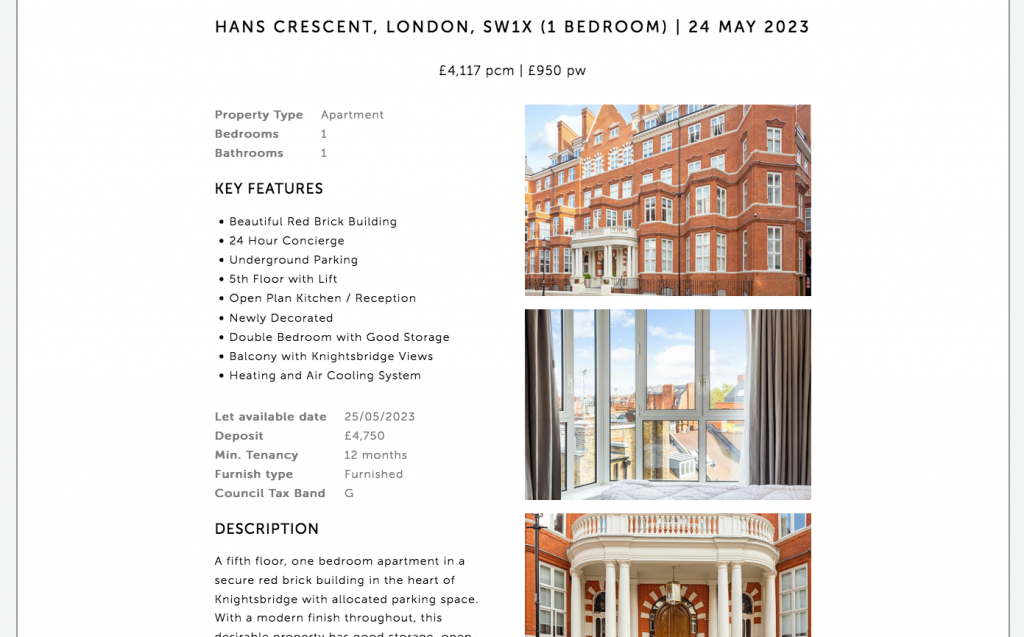
third stage corporate design

The third stage comes once all of those assets have already been established.

One one hand, this is less of a freely expressive exercise than stage 1 and 2. On the other hand it requires a different kind of creativity. You still have to come up with solutions that are visually arresting, communicate well, and remain faithful to the brand guidelines.

third stage corporate design

Inhous are a specialist property brokers operating in the UK and Ireland. They deal with highly valuable properties requiring specialised skills and knowledge alongside a great deal of discretion.

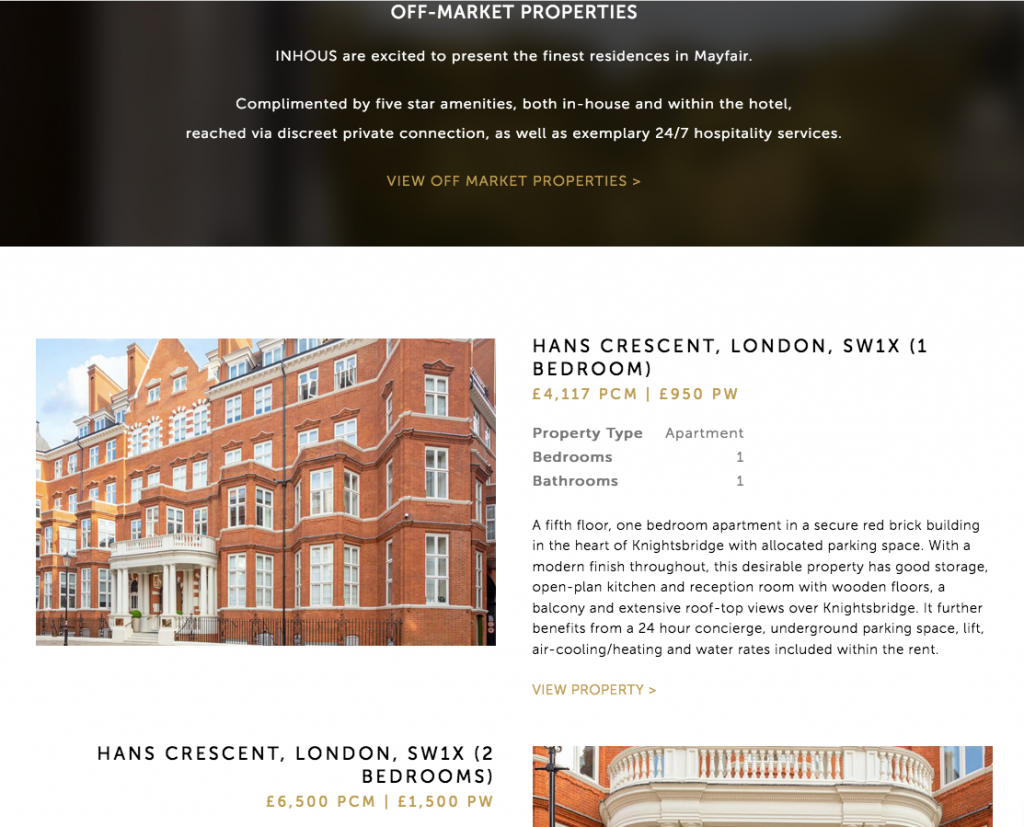
INHOUS decided to move into lettings alongside their existing sales service. As a result, they asked me to create layouts for letting out multiple properties.

There wouldn't be a lot of content given the expensive nature of the properties that they were offering.

I respected the established corporate identity (as every good designer should do) by keppeing to the existing website layout, colours and typography. Within those guidelines, I created an alternating layout that presented the properties in the best light. I was careful to remain consistent with the rest of the site while creating the new layouts.

Content updates – Rebel Rock Racing

Content updates are like a middle child, much loved but sometimes neglected. Content management systems are supposed to put content updates and creation in your client's hand. But simply having the tools is not enough if you don't the time or the basic skills required.

This is a point that is universally true. Having a scalpel won't make me a surgeon, and owning a saw won't make me a cabinet maker. Just giving a client the keys to WordPress will really help them with content updates. They will also need a lot of skills that I take for granted.

  • Copy-writing
  • Asset acquisition
  • Editing
  • Layout
  • Photo editing
  • Knowledge of wordpress
  • A basic IT skill-set

And most importantly, the one thing that requires a bullet list all to itself.

  • Time

Many of my clients don't have the time or even the inclination to learn this, so they end up by asking me to do it and I am always happy to oblige.

content updates

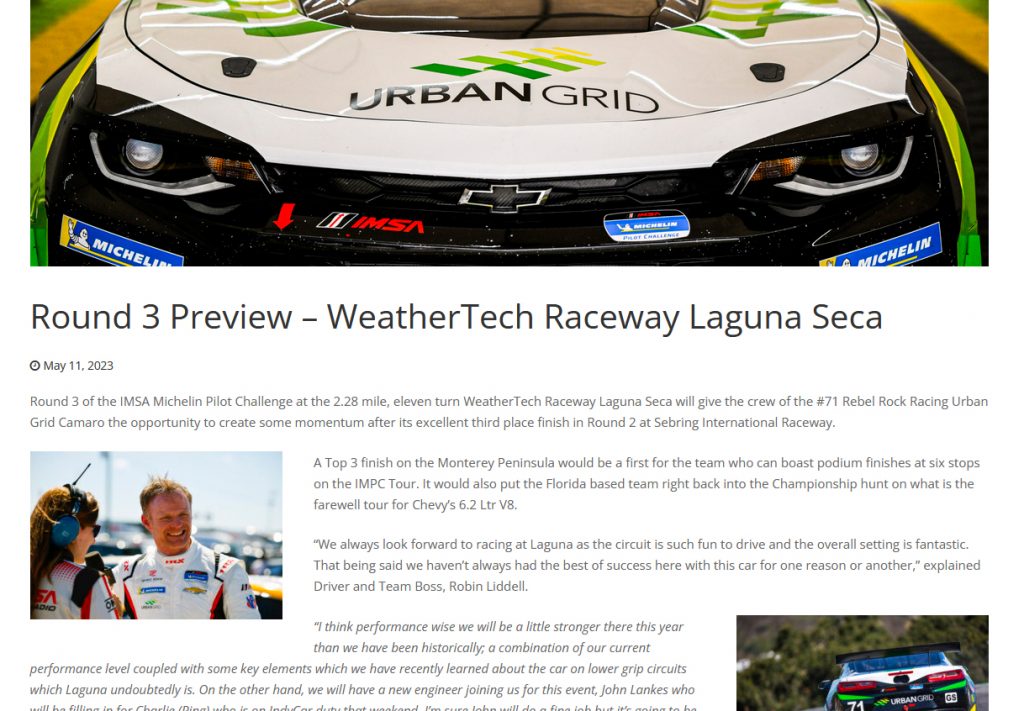
The Rebel Rock Racing website needs regular but infrequent updates. It involves putting in a news story, a little bit of formatting, and finally adding the story to the homepage carousel.

It's a 10 minute job for me but a much longer task for my client.

The point of all this is that there is value in knowledge. It speeds up processes and enables you to present a guarantee to clients. Every story I put online quickly and accurately just adds incrementally to the most important aspect any client agency relationship, which is trust.